
International Children Issues
Taking a child abroad without the right consent can be child abduction, and recovering a child taken overseas is urgent. We advise on relocation, abduction and stopping a child being removed.
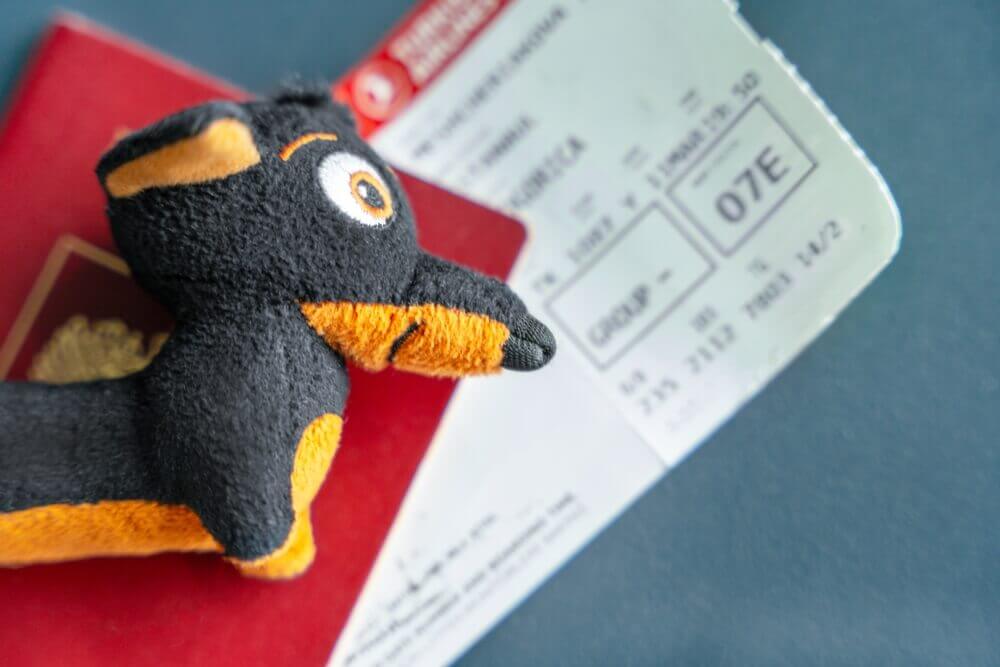
Can a parent take a child abroad without consent?
Generally, no. To take a child who lives in England and Wales abroad, you need the consent of everyone with parental responsibility, or the permission of the court. Taking or keeping a child abroad without that is wrongful, it is treated as child abduction, and can be a criminal offence under the Child Abduction Act 1984. There is one narrow exception: a parent named in a child arrangements order as the person the child lives with may take the child abroad for up to 28 days without separate consent, unless an order says otherwise. GOV.UK sets out the rules on taking a child abroad; if in any doubt, get consent in writing or take advice first.
Moving abroad with your child
Moving abroad permanently, relocation, needs either the written agreement of everyone with parental responsibility or a court order, sometimes called “leave to remove”. If the other parent will not agree, you apply to the family court, which weighs your reasons for moving, the effect on the child’s relationship with the other parent, the child’s own wishes, and whether contact can realistically be maintained. These are among the hardest cases in family law, and they turn on the welfare of the child, the same welfare principles that run through all decisions about child arrangements.
If your child has been taken or kept abroad
Act immediately. Most countries are signatories to the 1980 Hague Convention, which provides a route for the prompt return of a child wrongfully removed or kept from their home country. An application is made through the central authority (in the UK, ICACU), and the courts of the country where the child is decide whether to order a return; the grounds for refusing are deliberately narrow. Where a child has been taken to a country outside the Convention, there is no automatic mechanism, and recovery relies on that country’s courts and on diplomatic and consular help, harder, but not hopeless. In every case speed matters, and you should not attempt to recover a child informally.
Stopping a removal before it happens
If you fear a child may be taken abroad, the court can act very quickly, sometimes within hours. A prohibited steps order can forbid a named person from removing the child; passports can be surrendered to the court; and a port alert can ask Border Force to stop a child leaving through a port or airport. If you have a genuine and imminent concern, tell us straight away so we can apply for emergency protection.
Which country decides where your child lives?
When parents are in different countries, the starting point is that decisions about a child are made where the child is “habitually resident”, broadly, where they have their settled home, rather than their nationality or where they were born. Disputes about habitual residence are common and fact-specific, and the rules changed after Brexit, so cases involving EU countries now turn on each country’s own jurisdiction rules. If your situation also involves divorce, see international divorce.
How we can help
We act for parents across South Wales and the South West in international children cases, preventing an unlawful removal, responding when a child has been taken, and applying to relocate or to oppose relocation. Where a case is urgent we move at once. To talk to us, you can request a callback or contact our family team.
When a child might be taken abroad, hours matter, we act fast to prevent a removal, or to start the process of bringing a child home.
Our approachClear advice. Practical next steps.
Every international children issues matter is different. We start by understanding your situation before we recommend an approach.
We won't push you toward a process that doesn't fit. We won't drag things out. And we'll always tell you what something will cost before we start it.
- A dedicated specialist for your matter, backed by the wider Robertsons family law team
- Transparent pricing: clear written costs before any work begins
- Plain-English advice: no jargon, no surprises
- Offices across South Wales and the South West
Real stories from real clients
“Rebecca Baker was amazing throughout the entire process. Her positivity and dedication are what got me through. I can't thank you enough - you are an outstanding solicitor.”Anthony Smith Family law
“I cannot recommend Robertsons Solicitors enough, especially my solicitor Hannah Magee. She has been an absolute rock throughout my complex legal case since 2019.”Hannah Batchelor Family law
“I've had Rebecca Baker represent me for a few years, and will continue to use her if need be. She was very accurate, honest and direct.”Sara Plumb Family law
Who would be looking after you?
Some of your international children issues team at Robertsons.
Hannah Magee
Hannah is a Director and heads the Family Law team. She specialises in complex divorce and high-net-worth financial cases, including matters involving trusts, businesses and international assets. Ranked in Chambers & Partners and The Legal 500, she is known for her calm, thorough and client-focused approach.
View profileLinsey Edmonds
Linsey is an Associate Director in the Matrimonial and Family team. Qualified in 1996, she specialises in divorce, matrimonial finance, cohabitation disputes and Children Act matters, acting for clients from high-net-worth individuals to more modest means. She is a member of the Law Society Family Law Panel.
View profileLisa Shrimpton
Lisa is an Associate Director in the Family Law team. She handles divorce, financial matters and private law children cases, including complex high-net-worth and international work. Ranked by Chambers & Partners as an 'Associate to Watch' and recognised in The Legal 500, she is known for her friendly, straightforward and robust approach.
View profileQuestions clients ask us about international children issues
It depends on where the order was made. Orders from other parts of the UK can be registered and enforced directly. Orders from countries that are party to the 1996 Hague Convention on Parental Responsibility and Protection of Children may be recognised and enforced in England and Wales. Orders from EU member states were previously enforceable under Brussels IIa, that no longer applies post-Brexit, and recognition now depends on each country's domestic law. Orders from countries outside these frameworks may be taken into account by English courts as a relevant factor, but cannot be directly enforced, you would need to apply to the English court for a new order. Taking advice specific to the country in question is essential.
Yes, there are legal steps you can take to prevent an unauthorised removal. A prohibited steps order prevents a named person from taking a specific action in relation to a child, including removing them from England and Wales. Where there is an immediate risk, this can be applied for urgently, sometimes without notice to the other party. Passports can also be surrendered to the court as a condition of proceedings. If your child has a British passport, you can apply to His Majesty's Passport Office to flag the child's details so that a new passport cannot be issued without your knowledge. Where the risk is serious and imminent, the court can act extremely quickly, sometimes within hours.
The Hague Convention on the Civil Aspects of International Child Abduction 1980 is an international treaty signed by over 100 countries that provides a mechanism for the prompt return of children wrongfully removed from or retained outside their country of habitual residence. A parent seeking return applies through the central authority in the country where the child is located. The courts of that country then consider whether the child was wrongfully removed and, if so, whether to order their return. The process is designed to be swift, the Convention aims for cases to be resolved within six weeks. Return does not resolve the underlying dispute about where the child should live; it restores the status quo so that custody can be determined by the courts of the child's home country.
Very quickly where the situation demands it. In urgent cases, the High Court can hear applications within hours on a without-notice basis, meaning the other party is not informed in advance. Orders can be made the same day preventing a child from being removed from the jurisdiction, requiring the surrender of passports, or freezing travel documents. Where a child has already been taken to a Hague Convention country, an application through ICACU can be lodged immediately and the foreign central authority is required to act promptly, the Convention targets resolution within six weeks. Speed is critical: every day of delay potentially strengthens the abducting parent's position and makes return more difficult.
Permanent relocation abroad with children requires either the written consent of everyone with parental responsibility or a court order permitting the move, known as a leave to remove order. Without one of these, taking a child abroad permanently is a criminal offence under the Child Abduction Act 1984. If your former partner will not consent, you must apply to the family court. The court will weigh your reasons for wishing to relocate, the impact on the child's relationship with the remaining parent, the child's own wishes, and what arrangements for contact could realistically be maintained if the move is permitted. These cases are among the most difficult and emotionally charged in family law, early legal advice is essential.
If a child has been brought to England and Wales from another Hague Convention country without the consent of a parent with rights of custody, the left-behind parent can apply for a return order through the English courts. The application is made to the High Court, usually through the International Child Abduction and Contact Unit. The court will consider whether the removal was wrongful, that is, whether it breached the applicant's rights of custody under the law of the child's habitual residence. If it was, the court will order the child's return unless one of the narrow exceptions applies. The parent who brought the child to England can oppose the return, but the grounds for doing so are deliberately limited under the Convention.
Recovery is significantly harder where the destination country is not a signatory to the Hague Convention. There is no automatic mechanism for return, and the left-behind parent must rely on diplomatic channels, the foreign country's domestic courts, and consular assistance from the UK Foreign, Commonwealth and Development Office. The FCDO maintains a list of countries with which the UK has bilateral agreements on child abduction; for others, the options are more limited. English courts can still make orders, but enforcing them abroad against a country with no treaty obligation to co-operate is a serious challenge. Taking legal advice immediately, before attempting any informal recovery, is essential, as actions taken without legal guidance can complicate matters further.
A return order is a court order directing that a child be returned to their country of habitual residence following a wrongful removal or retention. The courts of the country where the child is located must make the order, return is not automatic. Under Article 13 of the Hague Convention, a court can refuse to return a child in limited circumstances: if the applicant was not actually exercising rights of custody at the time of removal; if the applicant consented to or acquiesced in the removal; if there is a grave risk that return would expose the child to physical or psychological harm or place them in an intolerable situation; or if the child objects to return and has reached an age and maturity where their views should be taken into account. These exceptions are interpreted narrowly, the Convention strongly favours return.
A Tipstaff order is a High Court order directed to the Tipstaff, a court officer with powers of arrest, typically used in urgent cases involving children at risk of being removed from England and Wales. The order can require the surrender of passports and travel documents, authorise ports and airports to be alerted to prevent a child leaving the country, and in some cases authorise the recovery of a child who is being concealed within England and Wales. Port alert orders, which notify Border Force to stop a child being taken through a port or airport, are a specific form of Tipstaff relief. These orders are available extremely quickly in genuine emergencies and are one of the most powerful tools available to a parent seeking to prevent an imminent abduction.
Habitual residence is the country where a child has their settled, regular home, where they live on a stable and continuous basis rather than temporarily. It is not determined by nationality, birth, or passport. The concept is fact-specific: courts look at the child's social and family environment, how long they have been in a country, the stability of their life there, and the intentions of those with parental responsibility. A child's habitual residence can change, but not instantly. A child taken abroad for what was intended as a short visit does not immediately acquire habitual residence in the new country. Habitual residence is the key jurisdictional test in almost all international children cases and is frequently disputed.
International child abduction occurs when a child is wrongfully removed from their country of habitual residence, or wrongfully retained abroad, without the consent of a parent or guardian with parental responsibility. If your child has been taken abroad without your consent, act immediately: contact a solicitor experienced in international child law, contact the International Child Abduction and Contact Unit (ICACU), the UK's central authority for Hague Convention cases, and consider applying to the High Court for a return order. Time is critical in abduction cases: the longer a child remains abroad, the harder recovery can become, and in Hague Convention cases the child's habitual residence can shift over time. Do not attempt to recover the child yourself without legal advice.
Jurisdiction over children is primarily determined by where the child is habitually resident, the country where they have their settled, regular home. Where children have recently moved between countries, or where parents dispute where the child is habitually resident, jurisdictional disputes can arise between courts in different countries. England and Wales applies its own domestic rules to determine jurisdiction following Brexit, the EU Brussels IIa regulation, which previously governed jurisdiction in cases involving EU member states, no longer applies to the UK. Where there are parallel proceedings in two countries, courts will generally seek to resolve the conflict through communication with the foreign court, but outcomes can be unpredictable.
Have a question that isn't covered here? Speak to one of our international children issues specialists directly.
Practical advice you can read at your own pace
No-fault divorce: do you need a solicitor?
No-fault divorce made ending a marriage simple. But the divorce and the financial settlement are two separate things, and getting divorced doesn't end money claims. Here's what matters.
My ex won't follow our child arrangements order: what can I do?
Your ex won't stick to the child arrangements order? What counts as a breach, how enforcement works, what the court can do, and what you should not do.
The common law marriage myth: what unmarried couples need to know
Living together for decades gives you no automatic rights - common law marriage doesn't exist. What cohabiting couples can actually claim, and the steps that protect you.
How Are Pensions Dealt With in a Divorce Settlement?
Pensions are often one of the largest assets in a divorce — sometimes worth more than the home — yet they are easily overlooked. They can be shared, offset against other assets, or made subject to…
Across South Wales and the South West
Cardiff
6 Park Place, Cardiff, CF10 3RS
029 2023 7777
Visit office pageSwansea
Princess Quarter, 18 Princess Way, Swansea, SA1 3LW
01792 720 721
Visit office pageBarry
6 St Nicholas Road, Barry, CF62 6QW
01446 745 660
Visit office pageBristol
Trym Lodge,1 Henbury Road, Westbury-On-Trym, Bristol, BS9 3HQ
Appointment only0117 325 9545
Visit office pageNewport
8a Pentonville, Newport, NP20 5HB
Appointment only01633 742 741
Visit office pageGet started with our international children issues team
Confidential, no pressure, and we'll explain what's involved before you commit to anything.