
Cold Weather & Non-Freezing Cold Injuries
Non-freezing cold injury and frostbite from service can cause lasting pain, numbness and cold sensitivity. If a cold injury during training or operations has affected you, we can advise on a claim, on a no win, no fee basis.
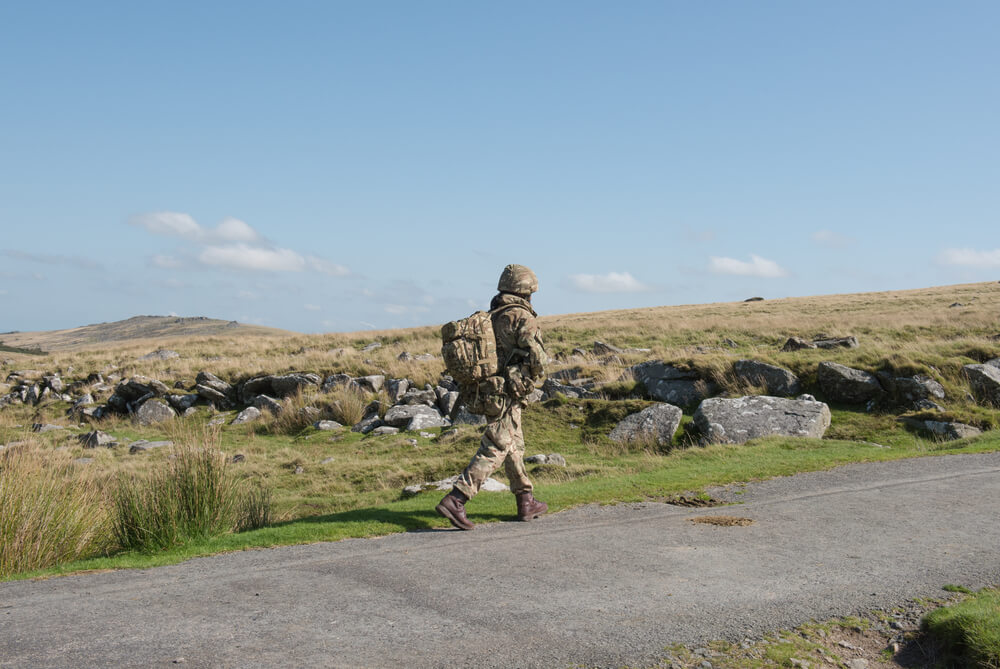
Cold injuries from service
Non-freezing cold injury, once known as trench foot, and freezing injuries such as frostbite are a recognised hazard of service in cold, wet conditions, on exercises and operations alike. They damage the nerves and blood vessels in the feet, hands and other extremities, and the effects can be permanent: chronic pain, numbness, and an intense sensitivity to cold that can make ordinary life and work difficult. Many people were not told at the time that they had suffered a significant injury, and the time limit for a claim runs from when you knew it was serious and linked to service, so a good number of veterans are still in time without realising it.
Who is most at risk?
Anyone exposed to cold and wet for long periods without adequate clothing, rest or the chance to warm up is at risk. Importantly, the risk is not shared equally: the Ministry of Defence recognises that personnel from African, Caribbean and other warmer-climate backgrounds are considerably more susceptible to non-freezing cold injury, and this is reflected in its own prevention guidance. If you fall into a higher-risk group and were not given proper protection or monitoring, that can be central to a claim.
Can you claim, and how?
Yes, the MoD has long-standing guidance on preventing cold injuries, covering clothing, acclimatisation, rest and monitoring for early signs. Where it failed to follow that guidance and you were injured, you may have a claim. As with other military injuries there are two routes: the no-fault Armed Forces Compensation Scheme, and a civil negligence claim against the MoD, which requires proving fault but compensates your actual losses without a cap and usually recovers more in serious cases. The two can run together, with any AFCS sum taken into account in the civil claim.
No win, no fee
Cold injury claims are usually funded by a conditional fee agreement, “no win, no fee”, with nothing to pay us up front. If the claim does not succeed you generally pay us nothing, and Qualified One-Way Costs Shifting usually means you would not pay the MoD’s costs. If you win, a capped success fee comes out of your compensation, explained clearly before you commit. We will set out the right funding for your case at the outset.
How we help
We act for veterans and serving personnel across South Wales and the South West. A cold injury claim stands or falls on a specialist medical diagnosis and a clear picture of the conditions you endured and the protection you were, or were not, given, and we will arrange the right assessment and gather the evidence. Where it helps, we will pursue an AFCS claim and a civil claim together. Because the symptoms often worsen over time and memories and records fade, it is worth getting advice early. To talk it through, you can request a callback or contact our team. The official body for the no-fault scheme is Veterans UK.
Many veterans were never told a cold injury was serious, and only years later connect the constant pain and cold sensitivity to their service.
Our approachClear advice. Practical next steps.
Every cold weather & non-freezing cold injuries matter is different. We start by understanding your situation before we recommend an approach.
We won't push you toward a process that doesn't fit. We won't drag things out. And we'll always tell you what something will cost before we start it.
- A dedicated specialist for your matter, backed by the wider Robertsons military claims team
- Transparent pricing: clear written costs before any work begins
- Plain-English advice: no jargon, no surprises
- Offices across South Wales and the South West
Real stories from real clients
“Great service provided. Always helpful, courteous, friendly and efficient.”Joffie Irvine
“Excellent communications, always able to speak to the person in charge, and their service is proactive. The staff are very personable. This is the third time we have used Robertsons (Barry).”Fresh Ideals CIC Barry
“Excellent communication. Felt in very safe hands and excellent advice given.”Mrs J Tozer Swansea
Who would be looking after you?
Some of your cold weather & non-freezing cold injuries team at Robertsons.
Questions clients ask us about cold weather & non-freezing cold injuries
In most cases, no, because the majority of non-freezing cold injuries occur during training rather than active combat operations. Combat immunity protects decisions made in the heat of battle from negligence liability; it does not extend to training exercises, pre-deployment preparation, or peacetime operations. Where an NFCI occurs during a training exercise in the UK or overseas, the MoD's conduct is assessed by the ordinary negligence standard, including whether JSP 539 was followed and whether adequate protection was provided. Even where an NFCI occurs during an operational deployment, the combat immunity doctrine is narrower than often assumed following the Supreme Court's decision in Smith v Ministry of Defence [2013], particularly where the failure was in pre-deployment preparation rather than a battlefield decision.
Yes, veterans who have suffered NFCIs or other cold weather injuries during military service may have claims against the MoD for civil negligence, as well as under the Armed Forces Compensation Scheme. A civil negligence claim requires showing that the MoD failed to take reasonable steps to prevent the cold injury, for example, by failing to follow its own guidance on cold injury prevention (JSP 539), failing to provide adequate equipment, or failing to allow adequate rest and warming time during exercises. The MoD has faced significant litigation over NFCIs and in many cases has accepted liability. Taking legal advice is the essential first step in assessing whether a claim is viable.
Yes, the two routes are not mutually exclusive. An AFCS claim provides a no-fault tariff payment based on the severity of the injury; a civil negligence claim compensates actual loss and is not capped. For veterans with significant NFCIs causing long-term disability and loss of earnings, a civil negligence claim will typically recover substantially more than an AFCS award alone. Any AFCS payments received are taken into account in calculating civil damages to avoid double recovery for the same loss. Veterans should consider both routes together, and take specialist legal advice on the timing and interaction of the two claims, rather than treating the AFCS award as the final word on their compensation.
Proving causation in an NFCI claim requires both factual and medical evidence. Factual evidence includes: service records showing postings, exercises, and deployments in cold or wet environments; evidence of the conditions experienced, temperature logs, exercise records, or accounts from fellow service personnel; any medical records from during or shortly after service recording symptoms or treatment; and evidence that adequate protective measures were not in place. Medical evidence includes: a diagnosis of NFCI from a specialist, ideally a vascular surgeon or the MoD's Cold Injuries Clinic at Northwick Park Hospital; and an expert medical report linking the diagnosis to service exposure and assessing the long-term prognosis. The combination of a clear service history and a specialist medical diagnosis is the foundation of a successful claim.
The standard limitation period is three years from the date of knowledge, when the claimant first knew, or ought reasonably to have known, that they had suffered a significant cold injury attributable to military service. Many veterans with NFCIs did not receive a formal diagnosis at the time of injury and only discover years later that their chronic symptoms are attributable to service. In those cases, the three-year clock may not have started running until the diagnosis was made. The court also has discretion under section 33 of the Limitation Act 1980 to allow late claims where it is equitable to do so. Veterans who believe they may have an NFCI claim should take legal advice without delay, do not assume the limitation period has expired without checking.
Compensation depends on the severity of the NFCI and its impact on the claimant's life. General damages cover pain, suffering, and loss of amenity, assessed using the Judicial College Guidelines for nerve damage and chronic pain conditions. Special damages cover financial losses including: past and future loss of earnings where the condition has affected or ended a career; costs of medical treatment; care costs; and adaptations needed to manage the condition. NFCIs that cause significant chronic pain, cold hypersensitivity, and career-ending disability can attract substantial awards. There is no cap on civil damages. AFCS awards for NFCIs are based on the tariff system and are typically considerably lower than civil damages in serious cases. A specialist solicitor can advise on the likely range for a specific level of injury.
Non-freezing cold injuries (NFCIs) are injuries to the peripheral nerves and blood vessels caused by prolonged exposure to cold and wet conditions, without the tissue actually freezing. They are sometimes referred to as trench foot or immersion foot. NFCIs occur in military service when personnel are exposed to cold, wet conditions for extended periods without adequate protection, rest, or warming, during training exercises, operations in cold climates, or deployments in wet environments. The injury damages the small blood vessels and nerves in the feet, hands, and other extremities, causing symptoms that can persist long after the exposure has ended. NFCIs are a well-documented and well-understood risk in military medicine, and the MoD has had guidance in place for decades on how to prevent them.
The long-term effects of NFCIs can be severe and permanent. Common symptoms include: chronic pain, burning, aching, or shooting pains in the affected limbs; hypersensitivity to cold, even mild cold temperatures trigger intense pain; numbness and tingling; skin colour changes; hyperhidrosis (excessive sweating); and in severe cases, significant disability affecting mobility and the ability to work. Many veterans find that their NFCI symptoms worsen over time rather than improving. The condition can have a profound impact on employment, daily activities, and quality of life. Mental health consequences, including depression and anxiety, arising from chronic pain and disability are also compensable where they are caused or worsened by the NFCI.
The MoD owes a duty of care to service personnel to take reasonable steps to protect them from foreseeable risks, including cold injuries. This duty is supported by the MoD's own Joint Service Publication 539 (JSP 539), which sets out detailed guidance on the prevention of cold injuries and has existed in various forms since the 1990s. The existence of JSP 539 is important in two ways: it demonstrates that the MoD knew about the risk of cold injuries and the steps needed to prevent them; and it provides a benchmark against which the MoD's conduct can be measured. Where commanding officers failed to follow JSP 539, by not monitoring personnel for signs of cold injury, not allowing adequate warming time, or not providing appropriate equipment, this can constitute a breach of the duty of care.
The most important evidence is a specialist medical diagnosis confirming NFCI and linking it to service exposure. The MoD's Cold Injuries Clinic at Northwick Park Hospital assesses veterans with suspected NFCIs and produces reports that are widely accepted in litigation. In addition to medical evidence, you will need: service records showing relevant postings and exercises; a detailed account of the conditions experienced and the protective measures (or lack of them) provided; medical records from during and after service; evidence from fellow service personnel who experienced the same conditions; and in some cases, expert evidence on whether JSP 539 was followed. Building the evidence base as early as possible, before memories fade and records become harder to obtain, significantly strengthens a claim.
The Cold Injuries Clinic at Northwick Park Hospital in London is the MoD's specialist facility for assessing veterans and service personnel with suspected non-freezing cold injuries and frostbite. It carries out detailed clinical assessments, including specialist vascular and neurological testing, and produces reports on the diagnosis, severity, and likely prognosis of cold injuries. Attending the clinic and obtaining a report is one of the most important steps a veteran can take in building an NFCI claim. The clinic's assessments are widely accepted by courts and by the MoD in litigation, and a positive diagnosis from the clinic provides strong medical evidence of the condition and its link to service. Veterans can self-refer to the clinic or be referred by their GP or a specialist solicitor.
Frostbite occurs when tissue actually freezes, ice crystals form within cells, causing direct tissue damage. Non-freezing cold injury (NFCI) occurs at temperatures above freezing, through prolonged exposure to cold and wet conditions that damage peripheral nerves and blood vessels without freezing. Both can cause lasting damage, but they are distinct medical conditions with different mechanisms, presentations, and long-term consequences. Frostbite tends to produce more obvious acute damage, blackening of tissue, blistering, while NFCIs may appear relatively mild at first but produce chronic, progressive symptoms. Many veterans with NFCIs were not told at the time that they had suffered a significant injury, and only discover years later that their persistent symptoms are attributable to their service.
Have a question that isn't covered here? Speak to one of our cold weather & non-freezing cold injuries specialists directly.
Across South Wales and the South West
Cardiff
6 Park Place, Cardiff, CF10 3RS
029 2023 7777
Visit office pageSwansea
Princess Quarter, 18 Princess Way, Swansea, SA1 3LW
01792 720 721
Visit office pageBarry
6 St Nicholas Road, Barry, CF62 6QW
01446 745 660
Visit office pageBristol
Trym Lodge,1 Henbury Road, Westbury-On-Trym, Bristol, BS9 3HQ
Appointment only0117 325 9545
Visit office pageNewport
8a Pentonville, Newport, NP20 5HB
Appointment only01633 742 741
Visit office pageGet started with our cold weather & non-freezing cold injuries team
Confidential, no pressure, and we'll explain what's involved before you commit to anything.