
Service-Related Hearing Loss & Illness
Years of exposure to gunfire, aircraft and machinery leave many veterans with noise-induced hearing loss and tinnitus. If your hearing was damaged by service, you may have a claim, even if you left the forces long ago.
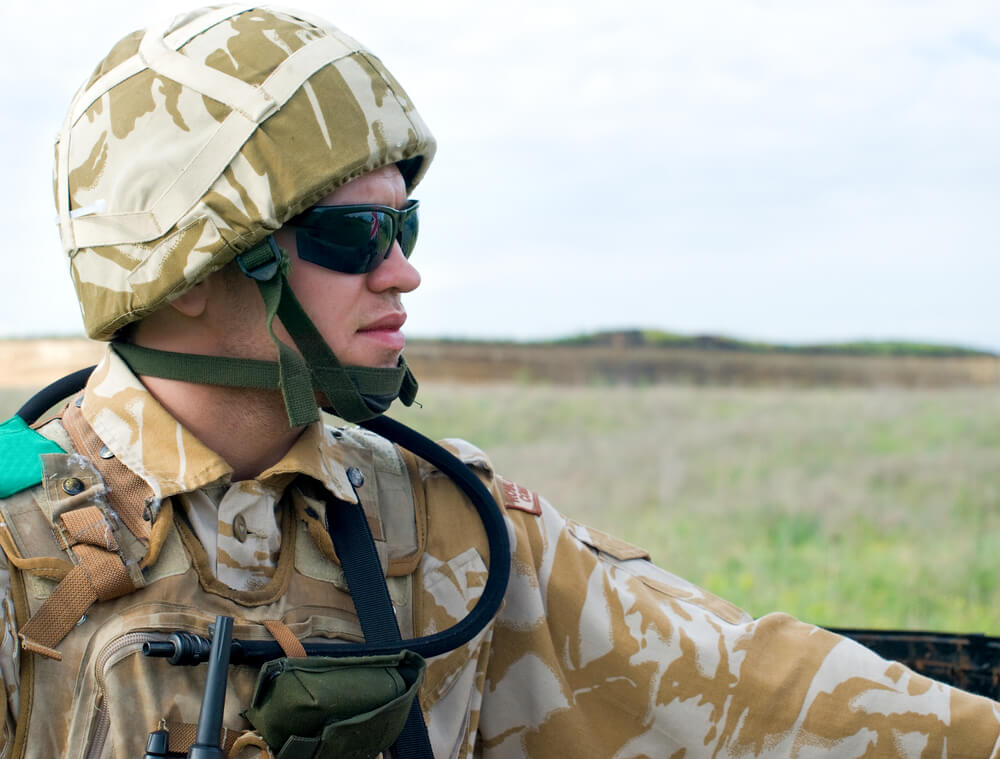
Hearing loss and tinnitus from service
Service often means years of exposure to damaging noise, gunfire, artillery, aircraft, armoured vehicles and machinery, and the result, for many veterans, is permanent noise-induced hearing loss, tinnitus, or both. It is one of the most common military claims. The Ministry of Defence has long accepted that it owes a duty to protect personnel’s hearing, and where it failed to provide or enforce proper protection, you may be entitled to compensation. Time limits run from when you realised the problem was significant and linked to service, so many veterans who think they are too late are not, it is always worth checking.
Which route recovers more, AFCS or a civil claim?
There are two routes, and they are not mutually exclusive. The Armed Forces Compensation Scheme is a no-fault scheme that pays a set tariff amount for hearing loss. A civil negligence claim against the MoD requires proving fault but compensates your actual losses, including hearing aids, lost earnings and the impact on your life, without a cap, and for significant hearing loss it usually recovers considerably more. Any AFCS sum you receive is taken into account in the civil claim, so the two work together. We will advise which route, or combination, is right for you.
What about other service illnesses?
Hearing loss rarely travels alone, tinnitus is a separate, compensable condition that is usually claimed alongside it. Other service-related conditions can also found a claim, such as certain respiratory problems or hand-arm vibration syndrome from using vibrating equipment. There is one important boundary: asbestos-related disease, such as mesothelioma, and other general industrial diseases are handled by our workplace illness team rather than here, so do tell us what you were exposed to and we will make sure your claim is in the right hands.
No win, no fee
Military hearing loss and illness claims are usually funded by a conditional fee agreement, “no win, no fee”, with nothing to pay us up front. If the claim does not succeed you generally pay us nothing, and Qualified One-Way Costs Shifting usually protects you from paying the MoD’s costs. If you win, a capped success fee comes out of your compensation, and we explain it clearly before you commit. We will set out the options that fit your case when we first speak.
How we help
We act for veterans and serving personnel across South Wales and the South West, and we know hearing-loss claims turn on good audiology and a clear account of your service noise exposure. We will arrange the right medical evidence, deal with the MoD, and pursue an AFCS claim and a civil claim together where that serves you best. Because hearing loss is gradual and the time limits can be tricky, the most important thing is not to put it off. To talk it through, you can request a callback or contact our team. The time limits for claims like these come from the Limitation Act 1980.
Hearing loss creeps up slowly, so many veterans assume it's just age or that they're too late to claim, often, neither is true.
Our approachClear advice. Practical next steps.
Every service-related hearing loss & illness matter is different. We start by understanding your situation before we recommend an approach.
We won't push you toward a process that doesn't fit. We won't drag things out. And we'll always tell you what something will cost before we start it.
- A dedicated specialist for your matter, backed by the wider Robertsons military claims team
- Transparent pricing: clear written costs before any work begins
- Plain-English advice: no jargon, no surprises
- Offices across South Wales and the South West
Real stories from real clients
“I would definitely recommend Robertsons Solicitors for their professionalism and communication throughout the whole process.”Msbernadette Hinder Swansea · Claim
“Really supportive throughout, open to questions and updates, and helped to make a very unpleasant experience as pleasant as possible.”Jeremy Ashdown
“Excellent communications, always able to speak to the person in charge, and their service is proactive. The staff are very personable. This is the third time we have used Robertsons (Barry).”Fresh Ideals CIC Barry
Who would be looking after you?
Some of your service-related hearing loss & illness team at Robertsons.
Questions clients ask us about service-related hearing loss & illness
Yes, military noise-induced hearing loss (M-NIHL) is one of the most common and well-established grounds for compensation claims by veterans. Service in the armed forces frequently involves prolonged exposure to hazardous noise from weapons fire, aircraft, armoured vehicles, and heavy machinery. The MoD has accepted that it owes a duty of care to service personnel in relation to noise exposure. A High Court judgment in April 2026, following the Hugh James Military Deafness Litigation, provided landmark guidance on how M-NIHL claims should be assessed, and a Matrix Agreement between a group of claimant firms and the MoD has resolved many of the arguments previously used to defend these claims. Veterans who believe they have suffered service-related hearing loss should take legal advice promptly.
Yes, tinnitus is a separate compensable condition in military hearing loss claims and is frequently claimed alongside noise-induced hearing loss. Tinnitus, a persistent ringing, buzzing, or hissing in the ears, is caused by the same noise damage that causes hearing loss and can have a significant impact on quality of life, sleep, and mental health. The April 2026 High Court judgment in the military deafness litigation addressed the assessment of tinnitus claims alongside hearing loss, providing guidance that applies to all similar cases. Where a veteran has both hearing loss and tinnitus, both conditions are included in the claim and assessed separately. The combined award reflects the full impact of both conditions on the claimant's life.
Yes, many veterans successfully bring hearing loss claims many years after leaving service. The key question is the date of knowledge, when you first knew or ought to have known that your hearing loss was significant and caused by service. Many veterans have lived with gradual hearing deterioration without connecting it to their service until a formal hearing assessment or a conversation with a medical professional. The Matrix Agreement removes limitation arguments for claims submitted before 31 July 2026, making this an important deadline for veterans who have delayed. Veterans who served after 1987, when the Crown Proceedings (Armed Forces) Act removed Crown immunity, are eligible to bring civil claims regardless of how long ago they served. Length of service, age at claim, and degree of hearing loss all affect the value of the claim.
Proving causation in a military hearing loss claim requires medical and factual evidence linking the hearing damage to service noise exposure. Key evidence includes: audiological testing, a hearing assessment carried out by an audiologist or ENT specialist that identifies the pattern and degree of hearing loss; medical expert evidence distinguishing noise-induced hearing loss from age-related loss (presbycusis), which follows a different audiological pattern; a detailed service history recording the types of noise exposure, postings, and any recorded complaints or medical treatment during service; and evidence that adequate hearing protection was not consistently provided. The April 2026 High Court judgment in the military deafness litigation provided authoritative guidance on how M-NIHL should be diagnosed and assessed, clarifying the approach for all future claims.
Noise-induced hearing loss (NIHL) is permanent damage to the hair cells of the inner ear caused by exposure to loud noise over time, or by a single extremely loud event such as a blast. Unlike age-related hearing loss, which affects all frequencies gradually, NIHL typically produces a characteristic dip in hearing sensitivity at around 4kHz, the 4kHz notch, which is identifiable on an audiogram. Military NIHL (M-NIHL) is caused by service noise exposure and is distinguished from presbycusis (age-related loss) by expert audiological analysis. The April 2026 High Court judgment in the military deafness litigation provided authoritative guidance on the methodology for diagnosing and quantifying M-NIHL, including how to separate the contribution of noise exposure from age-related change, an approach that now applies to all similar claims.
The difference in potential compensation is stark. The AFCS is a no-fault tariff scheme, the average award for hearing loss under the AFCS has been around £6,554. A civil negligence claim against the MoD compensates actual loss and has no cap, average settlements under the Matrix Agreement reached between claimant firms and the MoD have exceeded £366,000, and individual settlements in the hearing loss litigation have reached six figures and beyond. The two routes are not mutually exclusive: any AFCS payments received are taken into account in the civil claim to avoid double recovery. For most veterans with significant service-related hearing loss, the civil route, particularly where the Matrix Agreement applies, is likely to result in substantially greater compensation than the AFCS alone.
The core medical evidence required is an audiological assessment, a hearing test carried out by an audiologist or ENT specialist that records the degree and pattern of hearing loss across frequencies. Noise-induced hearing loss produces a characteristic dip at certain frequencies (typically 4kHz) that distinguishes it from age-related loss. A medical expert report from an ENT specialist or audiologist is needed to interpret the audiogram, attribute the loss to noise exposure rather than ageing or other causes, and assess its severity and impact. Evidence of tinnitus, including its severity and effect on daily life, should also be documented. Service records showing the types of noise exposure during service support the causation case. The April 2026 judgment provided detailed guidance on how M-NIHL should be diagnosed and measured, which will inform the approach of medical experts in future cases.
Military environments routinely expose personnel to noise levels well above those known to cause permanent hearing damage. A single shot from a rifle produces a peak noise level that can exceed the threshold for immediate hearing damage; sustained exposure to weapons fire, artillery, aircraft engines, and armoured vehicle noise over years of service causes cumulative damage. The MoD has known for decades that such noise causes hearing loss and has been under a duty to provide adequate hearing protection. In practice, hearing protection was inconsistently provided, and in some operational situations, wearing it was impractical or not enforced. The failure to provide adequate protection, or to ensure it was used, has been central to the MoD's liability in hearing loss litigation.
Beyond hearing loss, a range of conditions can give rise to service-related illness claims. These include: tinnitus, which frequently accompanies noise-induced hearing loss and is a separate compensable condition; respiratory conditions caused by exposure to dust, fumes, or toxic substances during service; musculoskeletal conditions caused by excessive physical demands or inadequate training and equipment; vibration white finger and hand-arm vibration syndrome from use of vibrating tools and equipment; skin conditions caused by exposure to hazardous substances; and mental health conditions including PTSD where the MoD failed to provide adequate support. Each condition requires evidence linking it to service, and the applicable route, AFCS, civil claim, or both, depends on the nature of the condition and when it arose.
Have a question that isn't covered here? Speak to one of our service-related hearing loss & illness specialists directly.
Across South Wales and the South West
Cardiff
6 Park Place, Cardiff, CF10 3RS
029 2023 7777
Visit office pageSwansea
Princess Quarter, 18 Princess Way, Swansea, SA1 3LW
01792 720 721
Visit office pageBarry
6 St Nicholas Road, Barry, CF62 6QW
01446 745 660
Visit office pageBristol
Trym Lodge,1 Henbury Road, Westbury-On-Trym, Bristol, BS9 3HQ
Appointment only0117 325 9545
Visit office pageNewport
8a Pentonville, Newport, NP20 5HB
Appointment only01633 742 741
Visit office pageGet started with our service-related hearing loss & illness team
Confidential, no pressure, and we'll explain what's involved before you commit to anything.