
Occupational Dermatitis & Skin Conditions
If substances or wet work in your job have left your hands or skin sore, cracked, blistered or itching, you may have a claim. Occupational dermatitis is one of the most common work-related illnesses, and largely preventable. No win, no fee.
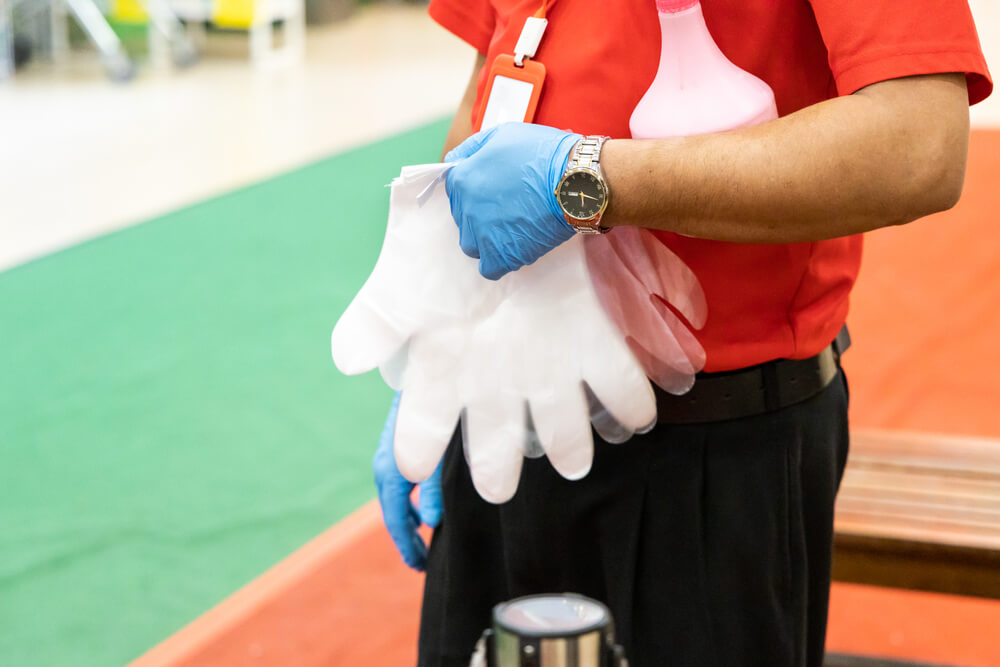
Skin disease caused by work
If your job involves substances or conditions that have damaged your skin, cleaning chemicals, cement, hair products, oils, food, or frequent hand-washing and wet work, and you have developed sore, cracked, blistered or itching skin, usually on the hands, you may be able to claim. Occupational dermatitis is one of the most common work-related illnesses, and it is largely preventable, so it often points to an employer that failed to protect its workers. These claims are funded on a no win, no fee basis.
Does it ease when you are away from work?
This is one of the clearest signs of occupational dermatitis: the skin tends to improve on holidays and days off and flares up again when you return to work. That pattern is strong evidence that something at work is the cause, and it is one of the first things a medical expert looks for. There are two main types. Irritant dermatitis comes from direct contact with substances or repeated wetting of the skin. Allergic dermatitis is a sensitivity your body develops to a particular substance, such as hair products, latex or chromates in cement, and once you are sensitised, it is usually permanent.
Could it affect your job, and your claim?
It can, and that matters for the value of a claim. If you have become allergic to something you work with, you may have to avoid it altogether, which can mean leaving a trade, hairdressing, catering, healthcare and construction are common examples. Where dermatitis forces a change of job, lost earnings can be a significant part of the compensation. It is also why getting it diagnosed early matters, both for your health and for your claim, the sooner the cause is identified, the sooner you can be protected.
No win, no fee
Occupational dermatitis claims are funded by a conditional fee agreement, no win, no fee. There is nothing to pay us up front, and nothing for our work if the claim does not succeed. If it succeeds, your legal costs are largely recovered from the other side, and any success fee is capped and explained before you start. We set out the funding clearly when we first speak.
How we help
We act for people across South Wales and the South West in trades where skin disease is common, hairdressing, catering, cleaning, healthcare, construction and engineering. A dermatitis claim is built on a dermatologist’s diagnosis, patch testing where an allergy is suspected, and a clear account of what you handled at work and the protection you were given, and we arrange that evidence and trace former employers and their insurers. Where you have another skin condition, such as an occupational skin cancer, or any other work-related illness, or a lung condition from the same kind of exposure, we can advise on that too. To talk it through, you can request a callback or contact our team. Guidance on skin at work is available from the Health and Safety Executive.
If your skin clears up on holiday and flares the week you're back at work, that pattern tells a story, and it's often the heart of a claim.
Our approachClear advice. Practical next steps.
Every occupational dermatitis & skin conditions matter is different. We start by understanding your situation before we recommend an approach.
We won't push you toward a process that doesn't fit. We won't drag things out. And we'll always tell you what something will cost before we start it.
- A dedicated specialist for your matter, backed by the wider Robertsons workplace illness team
- Transparent pricing: clear written costs before any work begins
- Plain-English advice: no jargon, no surprises
- Offices across South Wales and the South West
Real stories from real clients
“Excellent communication. Felt in very safe hands and excellent advice given.”Mrs J Tozer Swansea
“Used the services of Robertsons recently and was very pleased with the help that they gave me and with the outcome. Highly recommended.”Mark Tree
“Amazing solicitors from start to finish. Couldn't do enough for me, always so helpful, and kept me updated on everything. I could always speak to someone. Would recommend to anyone needing a solicitor.”Sarah Macey Dispute
Who would be looking after you?
Some of your occupational dermatitis & skin conditions team at Robertsons.
Questions clients ask us about occupational dermatitis & skin conditions
Proving causation in an occupational dermatitis claim requires medical and factual evidence. The medical evidence consists of a dermatologist's diagnosis, and in allergic cases, patch testing to identify the specific allergen responsible, together with an expert report attributing the condition to occupational exposure. A key feature supporting causation is improvement when away from work (such as during holidays) and worsening on return, this pattern strongly indicates a workplace cause. The factual evidence covers the work history: the substances and conditions encountered, the nature and duration of exposure, and whether protective equipment, skin surveillance, and adequate facilities were provided. Evidence from colleagues about working conditions and the substances used supports the claim. Medical records documenting the progression of the condition are also important.
All workplace illness claims at Robertsons, including occupational dermatitis claims, are funded on a conditional fee agreement, no win no fee. You pay nothing upfront and nothing if the claim is unsuccessful. If the claim succeeds, legal fees are recovered from the defendant, and all funding arrangements are explained in full before you instruct us. There is no financial risk to you in pursuing a claim, and the no win no fee model ensures that the strength of your claim, not your ability to pay legal fees, determines whether you can seek compensation.
The limitation period is three years from the date of knowledge, when you first knew, or ought reasonably to have known, that you had a significant skin condition attributable to your work. For dermatitis, the date of knowledge is often the point at which the condition was diagnosed as work-related, or when a doctor advised that the workplace was the cause, which may be later than when symptoms first appeared. The court also has discretion under section 33 of the Limitation Act 1980 to allow late claims where equitable. Because dermatitis can come and go depending on exposure, the limitation analysis can be complex, taking legal advice promptly once a connection to work is suspected or confirmed is important to avoid losing the right to claim.
Compensation depends on the severity and persistence of the condition, its impact on daily life, and any effect on the claimant's ability to work. General damages for pain, suffering, and loss of amenity are assessed using the Judicial College Guidelines, which provide brackets for dermatitis ranging from cases that clear up within months once exposure ends, to severe and persistent conditions affecting both hands continuously over many years. Special damages cover financial losses, most significantly loss of earnings where the dermatitis has forced a worker to leave a trade they have become sensitised to, or to reduce their hours. The cost of treatment, prescriptions, and skin care products can also be recovered. Where sensitisation has ended a career, for example, a hairdresser sensitised to hair products, the loss of earnings claim can be substantial.
Employers have a duty under the Control of Substances Hazardous to Health Regulations (COSHH) to protect workers from substances that can damage the skin. This includes: assessing the risk of skin exposure to hazardous substances; preventing or adequately controlling that exposure, for example by substituting safer substances, providing splash guards, or reducing wet work; providing suitable personal protective equipment such as gloves and barrier creams where control measures alone are insufficient; carrying out skin surveillance to detect early signs of dermatitis so that affected workers can be protected before the condition becomes severe; and providing information and training on the risks and how to protect the skin. Failure to provide appropriate gloves, to allow time for proper hand care, or to carry out skin surveillance are common grounds of negligence in occupational dermatitis claims.
The core evidence for an occupational dermatitis claim is: a diagnosis from a dermatologist, supported in allergic cases by patch testing to identify the specific allergen; a medical expert report attributing the condition to occupational exposure and assessing its severity and prognosis; evidence of the characteristic pattern of improvement away from work and worsening on return, which strongly supports a workplace cause; a detailed work history identifying the substances and conditions encountered and the duration of exposure; evidence that adequate protective equipment, skin surveillance, and facilities were not provided; and witness evidence from colleagues about working conditions. Medical records and any occupational health records documenting the condition and its connection to work are valuable. Photographs of the condition during flare-ups can also support the claim.
A dissolved or insolvent former employer does not prevent an occupational dermatitis claim. Employers were legally required to hold Employers' Liability insurance, and insurers remain liable to meet valid claims even after the employer has ceased trading. The Employers' Liability Tracing Office (ELTO) database can be searched to locate historic insurance policies. Specialist industrial disease solicitors have experience in tracing dissolved companies and their insurers. While occupational dermatitis claims often relate to more recent employment than some other industrial diseases, meaning the employer is more likely to still exist, the dissolution of a former employer is not a barrier to a claim where the relevant insurer can be traced.
Occupational dermatitis is inflammation of the skin caused or worsened by exposure to substances or conditions at work. It typically affects the hands and forearms, the areas most often in contact with workplace substances, causing redness, itching, dryness, cracking, blistering, and in severe cases painful weeping and infection. It is one of the most common occupational diseases in the UK. Causes include: wet work (prolonged or frequent hand-wetting); detergents and cleaning chemicals; solvents, oils, and degreasers; cement and construction materials; hairdressing chemicals; foods in catering; and many other irritants and allergens. Occupational dermatitis is largely preventable with proper skin protection and control measures, so where a worker develops it, it often reflects a failure by the employer to protect them.
There are two main types of occupational contact dermatitis. Irritant contact dermatitis is caused by direct physical or chemical damage to the skin from a substance, for example, repeated hand-washing, exposure to detergents, solvents, or cement. It can affect anyone with sufficient exposure and is the more common type. Allergic contact dermatitis involves an immune system reaction, the worker becomes sensitised to a specific substance (such as certain chemicals, latex, or hairdressing products) and subsequently reacts to even small amounts of it. Once sensitised, the allergy is usually permanent. The distinction matters for both diagnosis and the claim: allergic contact dermatitis often requires patch testing to identify the specific allergen, and the prognosis differs, a sensitised worker may need to avoid the substance entirely, which can affect their ability to continue in their occupation.
Beyond contact dermatitis, a range of other occupational skin conditions can give rise to claims. These include: occupational acne (including chloracne, caused by exposure to certain chlorinated chemicals); chrome ulceration (caused by exposure to chromic acid and chromates, common in plating and tanning); contact urticaria (hives caused by skin contact with allergens such as latex); occupational skin cancer (caused by exposure to mineral oils, pitch, tar, arsenic, or prolonged outdoor ultraviolet exposure); and skin damage from vibration or repeated friction. Each of these conditions has specific causative substances and occupational associations. Where employer negligence caused the exposure that led to the condition, a compensation claim may be available. Occupational skin cancer in particular can be serious and warrants prompt specialist legal and medical advice.
Many occupations carry a high risk of occupational skin disease. High-risk jobs include: hairdressers and beauticians (exposure to dyes, bleaches, shampoos, and wet work); cleaners and domestic workers (detergents and wet work); healthcare workers (frequent hand-washing, gloves, and disinfectants); caterers and food handlers (wet work, foods, and cleaning chemicals); construction workers (cement, which causes both irritant dermatitis and chromate allergy); mechanics and engineers (oils, solvents, and degreasers); printers and painters (chemicals and solvents); and florists and agricultural workers (plants and pesticides). Common causative substances include detergents, soaps, cement, chromates, epoxy resins, rubber chemicals, latex, hair products, and cutting oils. Wet work, prolonged or repeated skin wetting, is one of the most significant and widespread causes.
Have a question that isn't covered here? Speak to one of our occupational dermatitis & skin conditions specialists directly.
Across South Wales and the South West
Cardiff
6 Park Place, Cardiff, CF10 3RS
029 2023 7777
Visit office pageSwansea
Princess Quarter, 18 Princess Way, Swansea, SA1 3LW
01792 720 721
Visit office pageBarry
6 St Nicholas Road, Barry, CF62 6QW
01446 745 660
Visit office pageBristol
Trym Lodge,1 Henbury Road, Westbury-On-Trym, Bristol, BS9 3HQ
Appointment only0117 325 9545
Visit office pageNewport
8a Pentonville, Newport, NP20 5HB
Appointment only01633 742 741
Visit office pageGet started with our occupational dermatitis & skin conditions team
Confidential, no pressure, and we'll explain what's involved before you commit to anything.